



Asbestos is a material that has been widely used in construction for decades due to its heat resistance, durability, and insulation properties. However, when asbestos-containing materials are disturbed, they can release hazardous fibers into the air, posing serious health risks, including lung diseases and cancer. Despite widespread awareness of these dangers, misconceptions about asbestos removal still persist, which can lead to unsafe practices or unnecessary panic.
In this blog post, we’ll debunk the top 5 myths about asbestos removal to help you make informed decisions when dealing with this hazardous material.
Myth 1: Asbestos Removal Is Always Necessary
Fact: Not all asbestos needs to be removed.
One of the most common misconceptions is that asbestos-containing materials (ACMs) must always be removed if found. In reality, asbestos only poses a health risk when it is disturbed, damaged, or deteriorating, releasing fibres into the air. If the asbestos is in good condition and left undisturbed, it is often safer to leave it in place and monitor it rather than remove it.
In many cases, encapsulation (sealing the asbestos material with a protective coating) or enclosing the area can effectively prevent fibre release without the need for removal. Asbestos removal is typically recommended when the material is in poor condition or poses a high risk of being disturbed during renovations or demolitions.
Myth 2: You Can Remove Asbestos Yourself
Fact: Asbestos removal should be handled by licensed professionals.
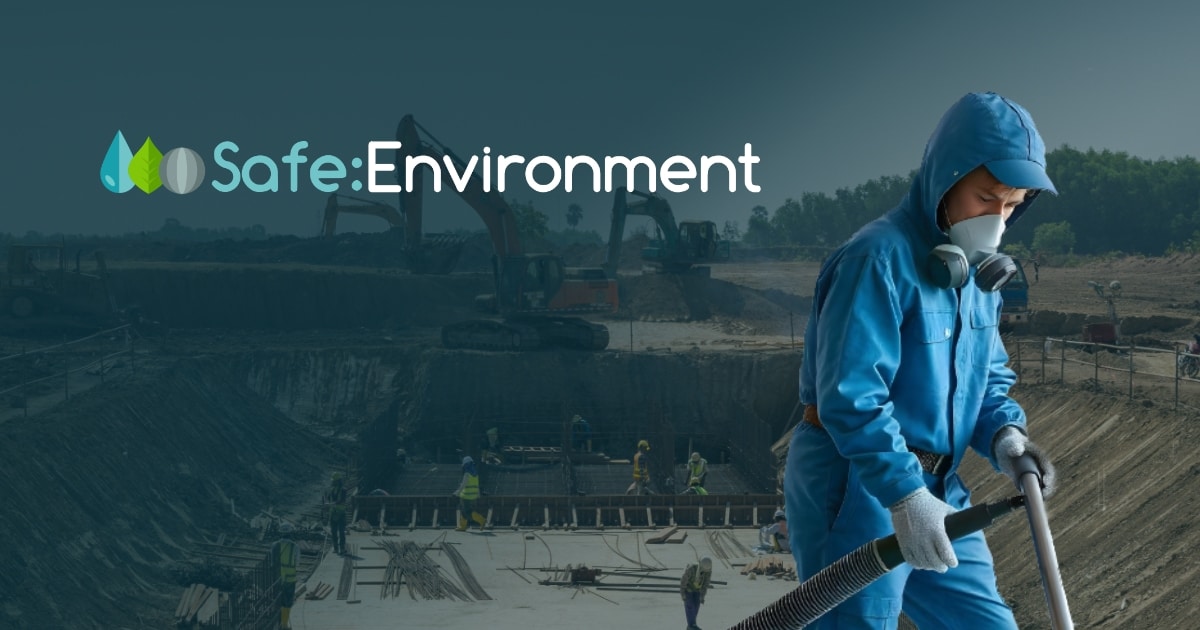
Some people believe that asbestos removal is a simple DIY job, but this couldn’t be further from the truth. Asbestos removal is a highly regulated process that requires specialised equipment, protective gear, and expertise to safely handle and dispose of the material. Without proper training, attempting to remove asbestos on your own can lead to serious health risks, not only for yourself but for anyone in the surrounding area.
Licensed asbestos removal professionals follow strict safety protocols to minimise fibre release and ensure proper disposal. They are trained to handle asbestos in a way that reduces the risk of contamination, keeping everyone safe.
Myth 3: Asbestos Removal Is Expensive and Not Worth the Cost
Fact: The cost of asbestos removal is manageable and worth the investment for safety.
While asbestos removal can be an added expense, it’s often less costly than people expect and is a crucial investment in the safety of your home or workplace. The price of removal depends on factors like the extent of contamination, the type of asbestos material, and the complexity of the job.
More importantly, the long-term health risks associated with asbestos exposure far outweigh the cost of professional removal. Left untreated, asbestos exposure can lead to serious and potentially fatal diseases, such as asbestosis, mesothelioma, and lung cancer. Taking action to remove or contain asbestos safely can help you avoid these risks and potentially save thousands in future medical expenses.
Myth 4: Asbestos Is No Longer a Problem in Modern Buildings
Fact: Asbestos can still be found in buildings constructed as late as the 1990s.
Many people assume that asbestos is a relic of the past and that it’s no longer a concern in modern buildings. While it’s true that asbestos use has been heavily restricted in many countries, including the UK and the US, it wasn’t completely banned until the late 1990s. This means that homes and commercial properties built before this time may still contain asbestos in materials such as insulation, roofing, ceiling tiles, and flooring.
Even newer buildings may have asbestos if materials were imported from countries where asbestos use is less regulated. Therefore, if you are planning renovations or repairs in buildings built before the 1990s, it’s crucial to have an asbestos survey conducted to ensure the property is safe.
Myth 5: Asbestos Is Only Dangerous for Construction Workers
Fact: Asbestos exposure can affect anyone, not just workers in the construction industry.
Another common misconception is that asbestos exposure is only a concern for people working in industries such as construction, demolition, or asbestos removal. While these workers are at higher risk due to the nature of their jobs, asbestos can pose a danger to anyone who comes into contact with it.
Homeowners, tenants, office workers, and even schoolchildren can be exposed to asbestos if it is present in their environment and disturbed. The fibres can become airborne during activities like home renovations, maintenance, or repairs, putting everyone in the area at risk of inhaling them. It’s important to take precautions and ensure proper asbestos management, regardless of the setting.
Conclusion
Asbestos is a serious hazard, but the myths surrounding its removal often lead to confusion, inaction, or improper handling. By debunking these myths, we hope to raise awareness about the importance of professional asbestos management and the risks associated with DIY removal or neglect.
If you suspect that asbestos is present in your home or workplace, don’t take any chances. Contact us, a licensed asbestos removal company for an assessment. We will be able to determine whether removal or encapsulation is necessary and guide you through the process safely. Remember, when it comes to asbestos, knowledge and proper handling are the best tools to protect yourself and others from harm.