




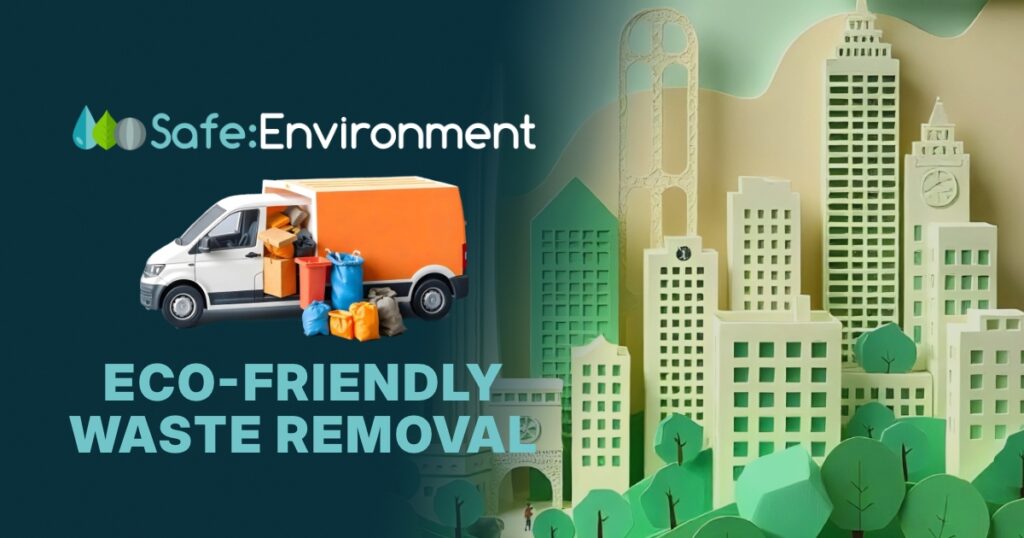
In an era where climate change and environmental degradation are at the forefront of global concerns, eco-friendly waste removal is more crucial than ever. Disposing of waste responsibly not only minimises landfill overflow but also significantly reduces carbon emissions, leading to a healthier planet. Here’s how individuals and businesses can adopt sustainable waste disposal practices to lower their carbon footprint.
1. Reduce, Reuse, Recycle
One of the simplest ways to minimise waste is to follow the three R’s: reduce, reuse, and recycle. Opt for products with minimal packaging, reuse items whenever possible, and recycle materials such as paper, glass, and plastic. Many councils offer recycling programs, making it easier for households to participate in eco-friendly waste management. Additionally, businesses can implement recycling policies in offices and manufacturing facilities to ensure waste is properly sorted and repurposed.
2. Composting Organic Waste
Food scraps and garden waste contribute significantly to landfill mass and methane emissions. Composting provides a sustainable alternative, converting organic waste into nutrient-rich soil for gardens. Whether using a backyard compost bin or a community composting program, this practice drastically cuts down on waste sent to landfills. Composting also supports healthy soil, reducing the need for chemical fertilisers and lowering environmental pollution. Many cities have begun offering compost pickup services, making it even easier for residents to participate.
3. Opt for Sustainable Waste Removal Services
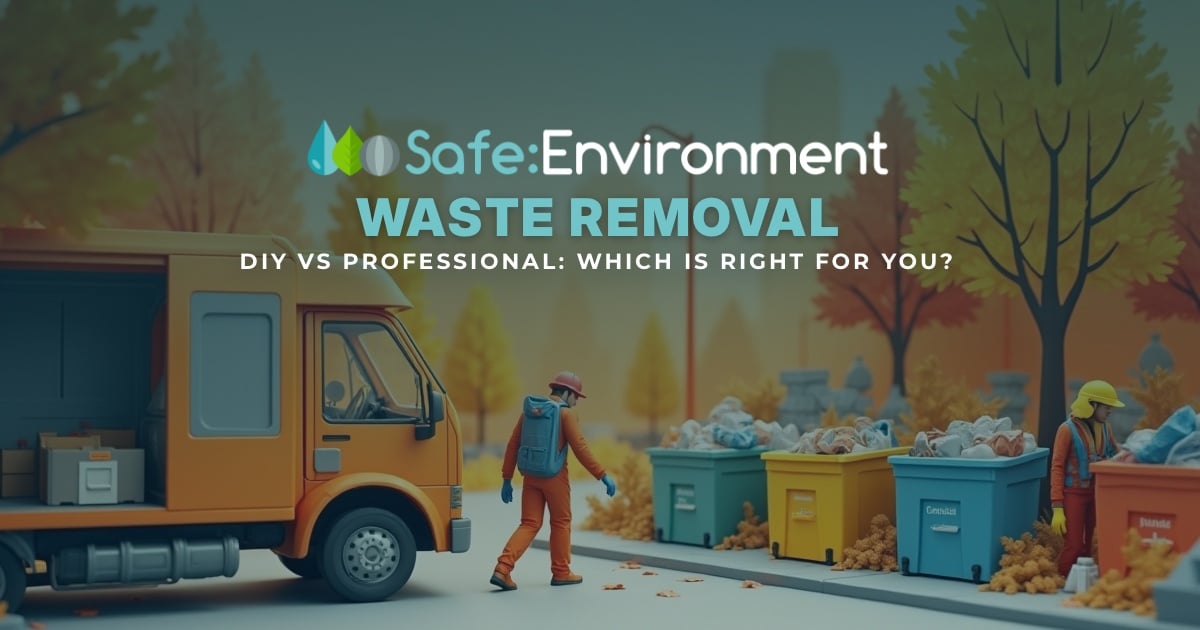
Many waste removal companies now offer eco-friendly options, such as green waste disposal and recycling services. When selecting a waste removal provider, look for those that prioritise sustainability by using low-emission vehicles and responsible waste processing methods. Some services even provide separate collection for recyclables and biodegradable materials, ensuring that waste is handled in the most environmentally friendly manner possible. Businesses can further improve their waste disposal processes by hiring companies that comply with green waste disposal regulations.
4. Donate and Repurpose Unwanted Items
Instead of discarding old furniture, clothing, or electronics, consider donating them to charities or repurposing them for new uses. Many organisations accept gently used items, reducing waste while helping those in need. Websites and community groups dedicated to exchanging or upcycling items can also help individuals find new homes for their unwanted possessions. Repurposing items not only reduces landfill contributions but also saves energy and resources required to manufacture new products.
5. Reduce Single-Use Plastics
Plastic pollution is a significant environmental concern. By avoiding single-use plastics such as straws, bags, and bottles, and switching to reusable alternatives, individuals can greatly cut down on plastic waste. Using cloth bags, metal or glass straws, and refillable water bottles can make a meaningful difference. Businesses can also participate by offering incentives for customers who bring their own containers or by replacing plastic packaging with biodegradable alternatives.
6. Support Zero-Waste Initiatives
Many communities have adopted zero-waste initiatives, encouraging businesses and residents to produce as little waste as possible. Supporting businesses that implement sustainable practices and participating in zero-waste programs can make a significant impact on waste reduction. Schools and workplaces can implement waste audits to identify key areas for improvement, and local governments can create policies that promote waste-conscious behaviours, such as bans on non-recyclable plastics.
7. Encourage Green Legislation and Corporate Responsibility
Government policies play a significant role in shaping waste management practices. Supporting legislation that promotes sustainable waste disposal and holding corporations accountable for their waste production can drive widespread change. Advocacy groups, petitions, and community efforts can push for stronger environmental policies that encourage businesses to take responsibility for their waste and implement more sustainable solutions. Extended producer responsibility (EPR) programs, for example, require manufacturers to manage the disposal of their products, ensuring better waste management at the source.
8. Educate and Spread Awareness
Education is key to achieving sustainable waste management. Schools, workplaces, and community groups can host workshops and awareness campaigns to inform people about the importance of eco-friendly waste removal. Social media platforms, blogs, and public discussions can further help spread knowledge and inspire action. Encouraging children and young adults to adopt sustainable habits at an early age ensures that future generations continue to prioritise environmental responsibility.
Conclusion
By making small, consistent changes in how we manage waste, we can collectively reduce our carbon footprint and contribute to a cleaner, greener planet. Eco-friendly waste removal is a responsibility we all share, and the time to act is now. From reducing single-use plastics to composting organic waste and supporting zero-waste initiatives, each effort contributes to a more sustainable future. With conscious consumer choices, responsible business practices, and supportive legislation, we can work together to minimise waste and protect the environment for generations to come.