




Determining whether your property contains asbestos is crucial for maintaining a safe living environment, particularly if your home was built or renovated before the 1990s. Asbestos is often not visible to the naked eye, as it was mixed into building materials. Some common areas where asbestos might be found in older properties include:
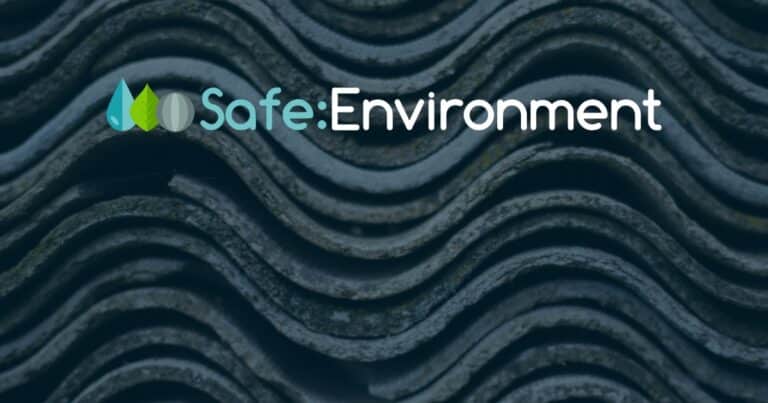
- Roofing and Siding: Many older homes have roofing tiles or siding materials that contain asbestos. These materials are generally safe unless they are deteriorating or being disturbed during renovations.
- Flooring: Vinyl tiles, as well as the adhesives used to lay them, often contained asbestos. Similarly, some forms of carpet underlay might include asbestos fibres (HSE).
- Insulation: Older insulation materials, particularly around pipes, boilers, and ducts, were frequently made with asbestos. This also includes certain types of wall and attic insulation (HSE).
- Textured Coatings: Popular in ceilings and walls of older properties, decorative plasters such as Artex sometimes contained asbestos.
Check for Building Dates and Renovations
If your property was built or renovated before 2000, there’s a higher chance that asbestos may be present. Renovations or repairs done before this period might have included asbestos-containing materials. If your property has been renovated recently, ask previous owners or contractors if asbestos was identified or managed during their work.
Look for Signs of Wear and Damage
Asbestos-containing materials (ACMs) are generally not a health hazard if they are in good condition and undisturbed. However, if these materials are damaged (crumbling, fraying, or otherwise deteriorating), asbestos fibres can become airborne, posing a significant health risk if inhaled. This is particularly important to consider during renovations or repairs that might disturb these materials
Look for Visual Indicators
Asbestos-containing materials (ACMs) often appear in specific areas and products:
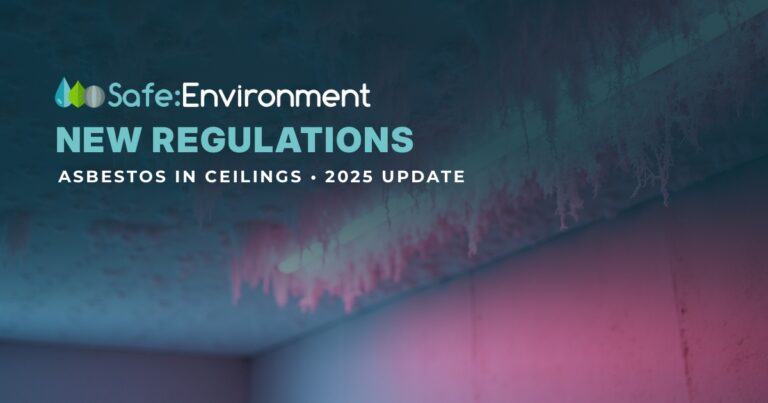
- Sprayed coatings: Often found on ceilings or pipes, these are usually white and may look crumbly.
- Textured wall and ceiling coatings: Textured coatings like Artex might contain asbestos.
- Insulation materials: This can be around pipes, boilers, and tanks.
- Flooring materials: Look for vinyl tiles and the backing material which might contain asbestos.
- Cement products: Corrugated sheets or cement boards may contain asbestos.
If you suspect that your property may contain asbestos, it is advisable to act promptly. Asbestos-containing materials that are intact and undisturbed may not pose an immediate risk, but the situation can change quickly, especially if you are planning renovations or if materials start to deteriorate.
Safe Environment can provide comprehensive asbestos surveys to accurately identify the presence of asbestos in your property and advise on the safest course of action. Our team of licensed professionals uses state-of-the-art equipment and follows strict safety protocols to ensure the safety of your home or workplace. Learn more about our asbestos survey services and how we can help you manage asbestos risks on our asbestos survey page.
Taking proactive steps to identify and manage asbestos can significantly reduce health risks and ensure peace of mind.