



The process of asbestos shed removal is a detailed and carefully managed procedure designed to ensure safety and compliance with regulations. Here’s what’s involved:
Initial Inspection and Assessment
- Asbestos Survey: A licensed asbestos surveyor conducts an inspection of the shed to identify asbestos-containing materials (ACMs). This includes testing samples to confirm the presence and type of asbestos.
- Risk Assessment: The survey results guide the risk assessment, which determines the safest removal method and outlines the necessary precautions.
Planning and Permits
- Removal Plan: A detailed removal plan is created, specifying the methods to be used, the safety measures required, and the timeline for the project.
- Permits and Notifications: In some regions, notifying local authorities and obtaining permits may be required before commencing asbestos removal.
Site Preparation and Containment
- Area Isolation: The area surrounding the shed is sealed off to prevent unauthorized access. Plastic sheeting, barriers, and warning signs are used to create a controlled environment.
- Personal Protective Equipment (PPE): Workers wear appropriate PPE, including disposable coveralls, gloves, and respirators, to protect against asbestos exposure.
Asbestos Shed Removal
- Careful Dismantling: The shed is carefully dismantled piece by piece to minimize the risk of disturbing the asbestos-containing materials. Techniques such as wetting down the materials may be used to suppress dust.
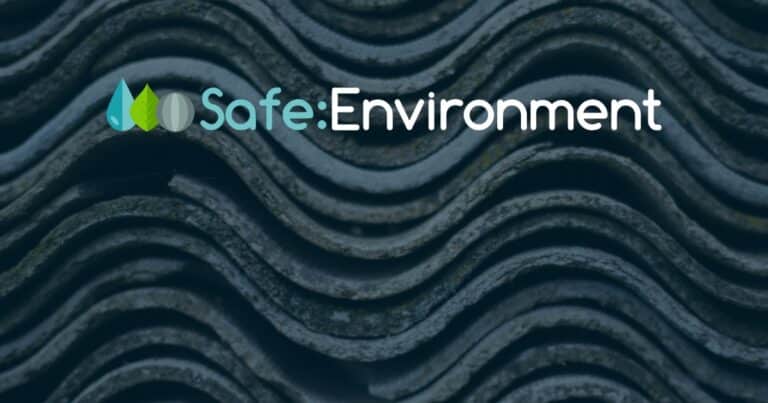
- Removal of Asbestos Materials: Asbestos cement sheets, insulation, roofing, and other materials are removed following strict protocols to prevent fibre release. The materials are handled with care to avoid breaking or damaging them.
- Handling Non-Asbestos Materials: Non-asbestos materials that are part of the shed are also removed, often alongside the asbestos components, to ensure a complete and safe removal.
Waste Handling and Disposal
- Sealing and Labeling: The asbestos waste is securely double-bagged in heavy-duty, leak-tight plastic bags or wrapped in plastic sheeting. Each package is clearly labelled as hazardous.
- Transport to Licensed Disposal Facility: The asbestos waste is transported by a licensed carrier to a certified hazardous waste disposal facility, where it is safely disposed of according to environmental regulations.
Air Monitoring and Clearance Testing
- Continuous Air Monitoring: Air quality is monitored throughout the removal process to ensure that no asbestos fibres are released into the environment.
- Final Clearance Inspection: Once the shed and all asbestos materials are removed, a final inspection and air test are conducted to confirm that the area is free of contamination and safe for reoccupation.
Site Clean-Up and Decontamination
- Thorough Cleaning: The work area is thoroughly cleaned using HEPA vacuums and damp wiping techniques to remove any remaining dust or debris.
- Decontamination of Equipment: All tools and equipment used in the removal process are decontaminated or disposed of safely.
Final Reporting and Documentation
- Documentation: A comprehensive report is provided, detailing the removal process, the results of air monitoring and clearance tests, and records of waste disposal.
- Compliance Records: All activities are documented to ensure compliance with regulatory requirements.
Replacement or Reconstruction
New Structure: If desired, the shed can be replaced or rebuilt with non-asbestos materials after the old structure has been safely removed and the site has been cleared.
The entire process is designed to minimize the risk of asbestos exposure and ensure that the removal is done by health and safety regulations. Hiring a licensed and experienced asbestos removal company, like Safe Environment, ensures that the process is carried out safely and effectively.