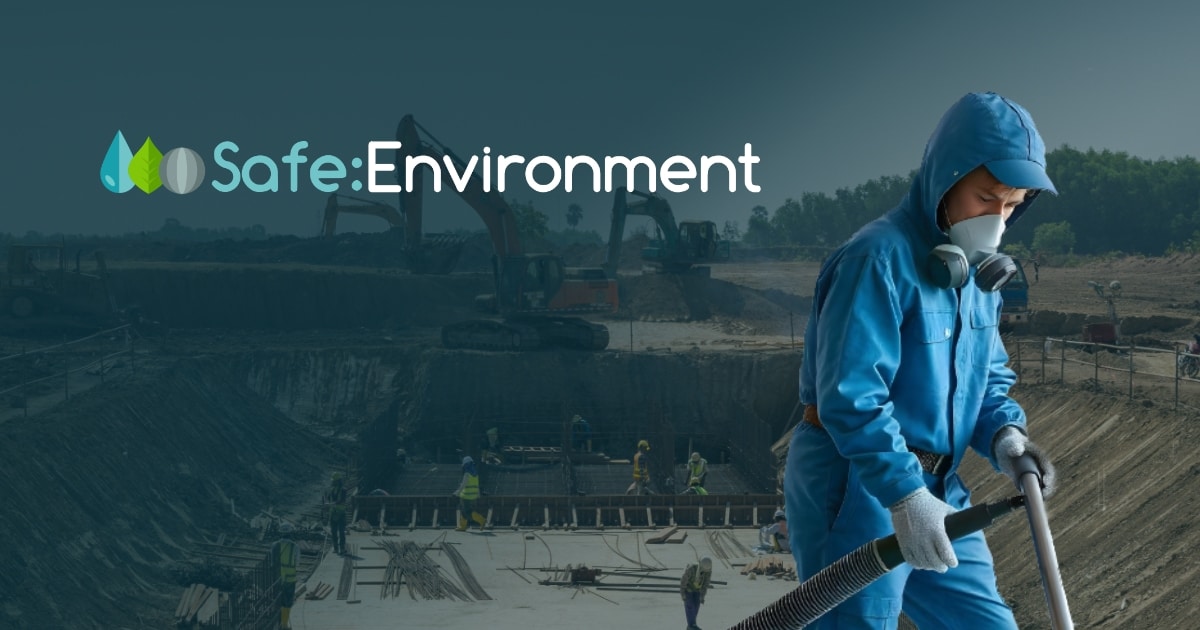





Asbestos, once a common material used in construction for its heat resistance and durability, is now widely recognised as a hazardous substance. Its fibres, when disturbed, can become airborne and cause serious health problems, including asbestosis, lung cancer, and mesothelioma. Ensuring safe environments after asbestos removal is crucial, and this is where air quality testing plays a pivotal role.
Why Air Quality Testing is Essential
After asbestos removal, it’s vital to verify that the area is safe for reoccupation. Airborne asbestos fibres can remain a threat long after the visible asbestos material is removed. Air quality testing confirms that the asbestos abatement process has been successful and that the space meets safety standards.
Health and Safety Compliance
Strict regulations govern asbestos handling and removal. In the UK, the Control of Asbestos Regulations 2012 require that air quality testing be conducted after asbestos removal to ensure that fibre levels are within acceptable limits. This testing ensures that employers and property owners comply with legal requirements and prioritise occupant safety. Failure to comply with these regulations can result in legal penalties and ongoing health risks for those using the space.
Peace of Mind
For property owners and occupants, knowing that the air is safe to breathe provides reassurance. Air quality testing demonstrates that all necessary precautions have been taken to protect health and safety. This is particularly important for spaces such as schools, offices, and residential buildings where prolonged exposure could occur if asbestos fibres remain.
Preventing Future Issues
Air quality testing not only verifies current safety but also helps prevent future complications. Identifying lingering asbestos fibres early allows for immediate remediation, reducing the risk of long-term health hazards and costly repairs down the line.
The Air Quality Testing Process
Preliminary Visual Inspection: Before air quality testing begins, a thorough visual inspection ensures that all asbestos materials have been removed and that the work area is clean and free of debris. This step is crucial in identifying potential areas that may still require attention.
Air Sampling: Air sampling involves using specialised equipment to draw air through a filter, capturing any airborne asbestos fibres. These samples are then sent to an accredited laboratory for analysis. The sampling must be conducted strategically throughout the affected area to provide an accurate representation of air quality.
Laboratory Analysis: Microscopic examination identifies the presence and concentration of asbestos fibres in the air. The results determine whether the air is safe or if further cleaning is required. Accredited laboratories follow strict protocols to ensure reliable results.
Clearance Certificate: Once the air quality meets safety standards, a clearance certificate is issued, confirming that the space is safe for use. This document provides formal evidence that the area has been properly cleaned and tested.
When is Air Quality Testing Needed?
After asbestos removal: To confirm that all fibres have been effectively cleared.
During renovations: If asbestos-containing materials are disturbed, potentially releasing fibres.
Following damage: If a building with known asbestos materials sustains damage from events such as fires or storms, air testing ensures safety before reoccupation.
Routine maintenance: For older buildings with known asbestos materials, periodic air testing can monitor fibre levels and ensure continued safety.
Choosing a Professional Testing Service
Partnering with a professional asbestos removal and air quality testing service is essential to ensure accurate results. Look for companies accredited by relevant regulatory bodies, such as the United Kingdom Accreditation Service (UKAS), to guarantee the highest standards of testing. These professionals not only conduct the necessary tests but also provide expert advice on maintaining a safe environment.
Conclusion
Air quality testing after asbestos removal is a critical step in safeguarding health and ensuring compliance with safety regulations. By confirming that asbestos fibres are no longer a threat, this process not only protects occupants but also offers peace of mind to property owners and businesses. Regular testing and adherence to safety protocols can prevent future hazards and maintain a healthy environment.
For expert asbestos removal and comprehensive air quality testing, contact Safe:Environment today. Our experienced team is dedicated to making your space safe and secure.