



In the UK, asbestos remains one of the most significant occupational health hazards — and it’s more common than many realise, particularly in asbestos in ceilings. Whether you’re a homeowner, landlord, school official, or construction professional, the 2025 regulatory updates introduced by the Health and Safety Executive (HSE) place greater responsibility on those managing or working with asbestos-containing materials (ACMs), especially in ceilings.
This article breaks down what’s changed, what it means for you, and how to stay compliant under the latest guidance.
Why Asbestos in Ceilings Is a Major Concern
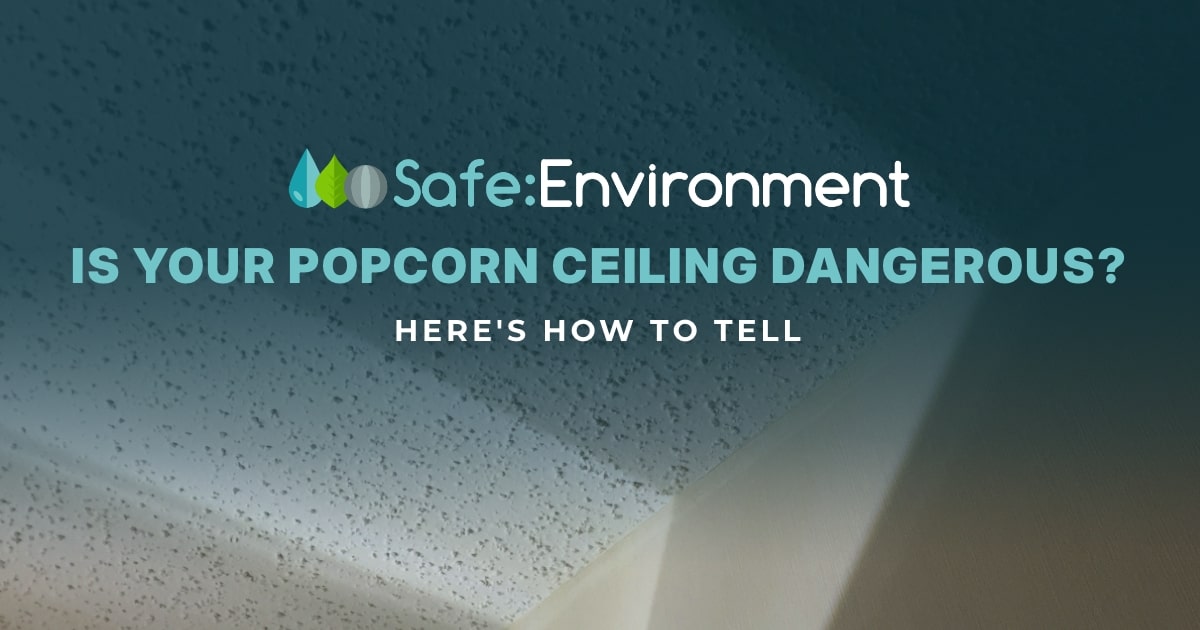
Many UK buildings constructed before 2000 contain asbestos in some form. Ceiling materials such as Artex (textured coatings), insulating boards, and sprayed coatings were widely used in homes, schools, hospitals, and offices. When undisturbed, asbestos may not pose an immediate risk. However, any work that cuts, sands, drills, or removes ceiling materials can release microscopic fibres into the air.
Once inhaled, asbestos fibres can lodge in the lungs and cause serious health issues, including mesothelioma, asbestosis, and lung cancer — often decades after exposure. That’s why proper handling is not only essential for safety but now more tightly regulated than ever.
2025 Regulatory Changes You Need to Know
1. Expanded Mandatory Asbestos Surveys Before Ceiling Work
What’s New:
In 2025, the requirement for Refurbishment and Demolition (R&D) asbestos surveys now includes all types of ceiling work in buildings constructed before 2000. This applies to even minor refurbishments, including re-plastering, installing downlights, or repainting.
Why It Matters:
Many homeowners and small builders previously assumed that simple ceiling repairs didn’t require a survey. Under the new rules, failure to carry out a proper survey before disturbing potential ACMs can result in enforcement action and legal consequences.
2. Reclassification of Certain Ceiling Work as Notifiable
Previously, removing Artex or other textured coatings was considered non-licensed work. However, the 2025 updates clarify that any removal process likely to create significant dust — including mechanical scraping or sanding — now falls under Notifiable Non-Licensed Work (NNLW).
What You Must Do:
- Notify the HSE before starting the job
- Use operatives with Category B asbestos training
- Ensure proper control measures, PPE, and decontamination processes
- Keep records of exposure and disposal for at least 40 years
3. Air Monitoring Now Required in Public Buildings
If asbestos removal is being conducted in schools, hospitals, care homes, or other publicly occupied spaces, air monitoring and independent clearance testing by a UKAS-accredited analyst is now mandatory — even for non-licensed removal.
Additional Guidance:
- Enclosures or airlocks may be needed for high-risk ceiling removals
- Rooms must remain sealed off until a clearance certificate is issued
- A copy of the certificate must be kept on-site and available for inspection
4. New Rules for Duty Holders and Commercial Properties
If you own, manage, or are responsible for non-domestic premises, you are the “duty holder” under Regulation 4 of the Control of Asbestos Regulations 2012. The 2025 update places greater emphasis on:
- Maintaining up-to-date digital asbestos registers
- Including photographic records of ceiling ACMs
- Displaying clear signage and labels where asbestos is present
- Reviewing the asbestos management plan annually or after any work
This affects offices, warehouses, retail spaces, council buildings, and more.
5. Increased Enforcement and Penalties
The HSE has significantly increased spot inspections in 2025, with a focus on domestic renovation projects and small commercial properties. Penalties for non-compliance are now stricter and can include:
- Fines of £10,000 or more per violation
- Immediate prohibition notices halting the work
- Criminal charges for repeat or deliberate offences
What You Should Do Now
If you’re planning any ceiling work in a property built before 2000, take these steps to stay compliant:
- Arrange an R&D asbestos survey before starting any work
- Check if the task is licensed, notifiable non-licensed, or non-licensed
- Use a qualified contractor like Safe:Environment
- Notify the HSE when required
- Keep thorough records of surveys, risk assessments, and air testing
Safe:Environment – Helping You Stay Compliant and Safe
At Safe:Environment, we understand how complex asbestos compliance can be. That’s why we provide a complete, fully HSE-compliant asbestos management service across the UK.
Our services include:
- Asbestos surveys and testing
- Licensed and non-licensed removal
- Encapsulation and safe disposal
- Air monitoring and clearance certification
- Help with HSE notifications and compliance paperwork
Whether you’re renovating a home or managing a commercial property portfolio, we’re here to make asbestos removal safe, legal, and stress-free.
Contact Safe:Environment today for expert advice, professional asbestos surveys, and compliant removal services that meet the 2025 standards — giving you peace of mind and a safer ceiling over your head.