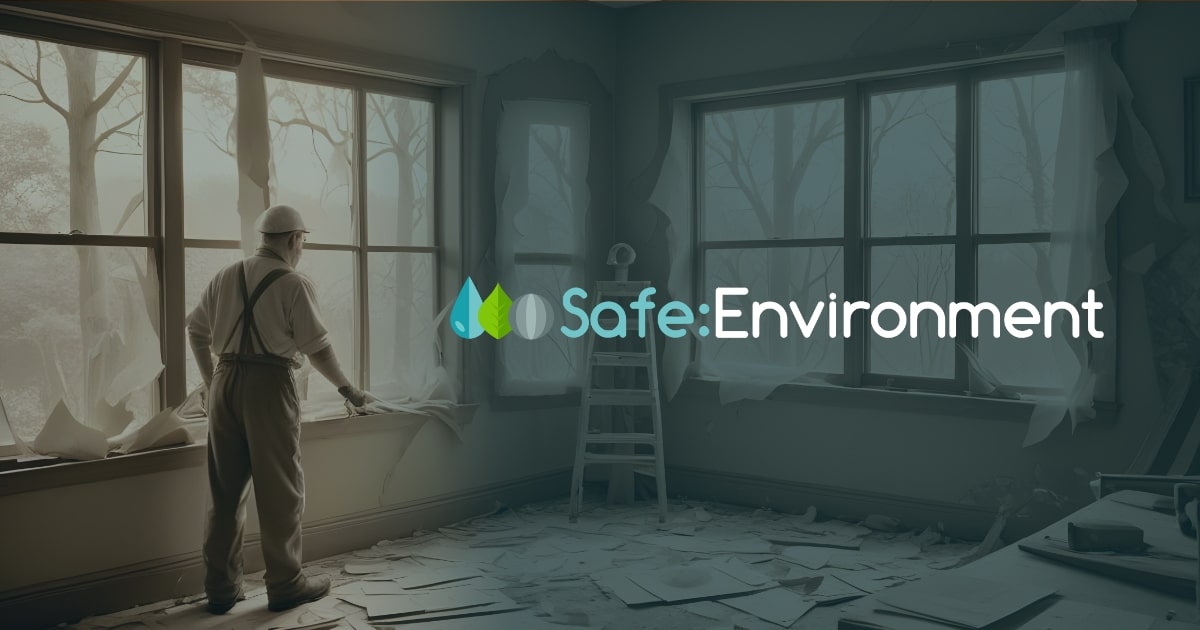




Renovating a home or commercial property is an exciting venture, often bringing new life to older structures. However, before swinging that first hammer, it’s crucial to consider the hidden dangers that may lurk within the walls, ceilings, and floors—specifically, asbestos. An asbestos survey is an essential step before any renovation work, particularly in buildings constructed before the year 2000. Here’s why an asbestos survey is not just a recommendation but a necessity.
Understanding Asbestos and Its Risks
Asbestos was widely used in building materials throughout the 20th century due to its durability, fire resistance, and insulating properties. Unfortunately, asbestos fibres, when disturbed, can become airborne and pose severe health risks. These diseases often develop many years after exposure, making asbestos a hidden and potentially deadly hazard in older buildings.
The Importance of an Asbestos Survey
Identifying Hidden Dangers
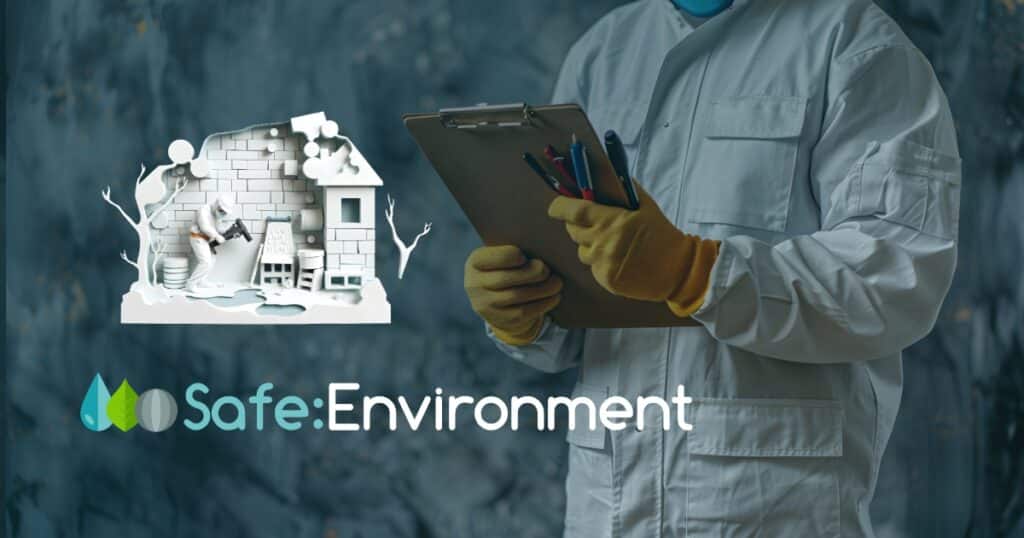
Asbestos-containing materials (ACMs) can be found in various parts of a building, such as insulation, floor tiles, roofing, and textured coatings. These materials are often not immediately visible or identifiable to the untrained eye. An asbestos survey, conducted by a qualified professional, is essential to locate and identify ACMs before any renovation work begins. This process helps prevent accidental disturbance of asbestos, reducing the risk of exposure to both workers and occupants.
Legal Compliance
In the UK, the Control of Asbestos Regulations 2012 mandates that an asbestos survey be carried out before any work that could disturb the fabric of a building. This requirement applies to both commercial properties and, in some cases, residential properties, particularly if tradespeople will be involved in the renovation. Failure to conduct an asbestos survey can result in legal penalties, including fines and potential liability for any harm caused by asbestos exposure.
Protecting Health and Safety
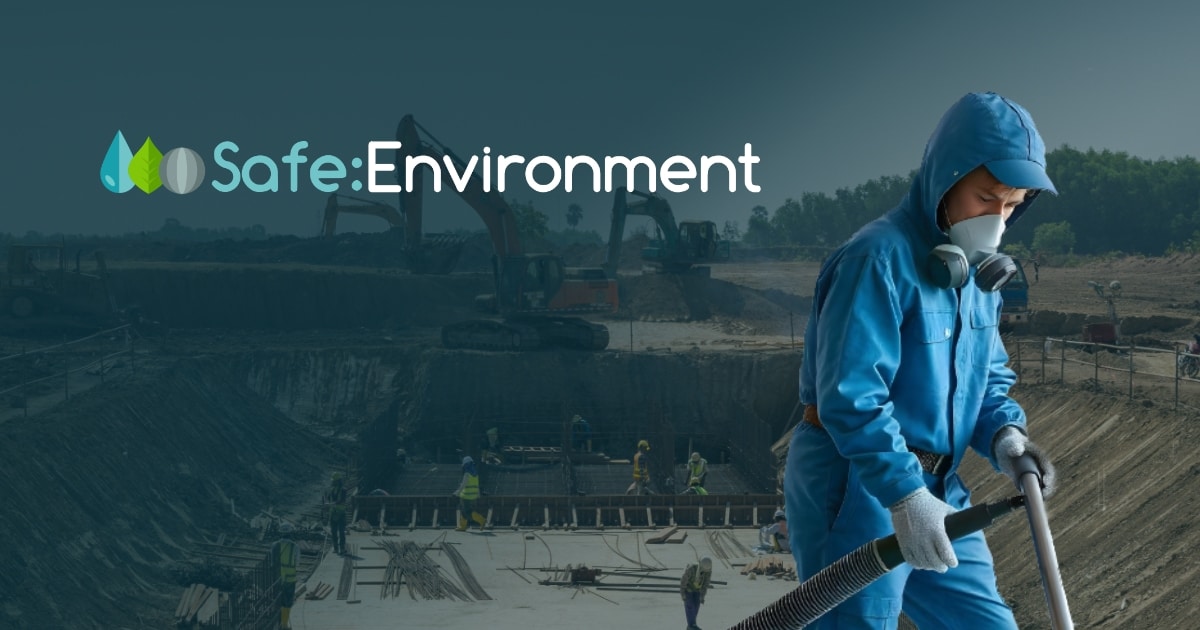
The primary purpose of an asbestos survey is to protect the health and safety of everyone involved in the renovation process. Without a survey, contractors may unknowingly disturb asbestos, releasing dangerous fibers into the air. This not only endangers the workers on site but also anyone who may occupy the building during or after the renovation. An asbestos survey ensures that any risks are identified and managed appropriately, such as by safely removing or encapsulating the asbestos before work begins.
Preventing Costly Delays and Liabilities
Discovering asbestos mid-renovation can cause significant delays and additional costs. Work must be halted, an asbestos survey conducted, and potentially hazardous materials safely removed by licensed professionals. These unexpected interruptions can disrupt project timelines and budgets. By conducting an asbestos survey before renovations start, you can avoid these costly setbacks and ensure your project stays on track.
Peace of Mind
Knowing that your renovation project is proceeding safely and in compliance with the law provides peace of mind. An asbestos survey ensures that you are taking all necessary precautions to protect yourself, your family, or your employees. It also safeguards the future occupants of the building, ensuring that the renovated space is safe for years to come.
Before embarking on any renovation project, especially in older buildings, an asbestos survey is an essential step that should not be overlooked. It not only ensures compliance with legal requirements but also protects the health and safety of everyone involved. By identifying and managing asbestos risks upfront, you can proceed with your renovation confidently, knowing that you’ve taken the necessary steps to safeguard your investment and the well-being of all parties.
If you’re planning a renovation, don’t take risks with asbestos. Contact Safe:Environment to assess your property and provide the guidance you need for a safe and successful project.