



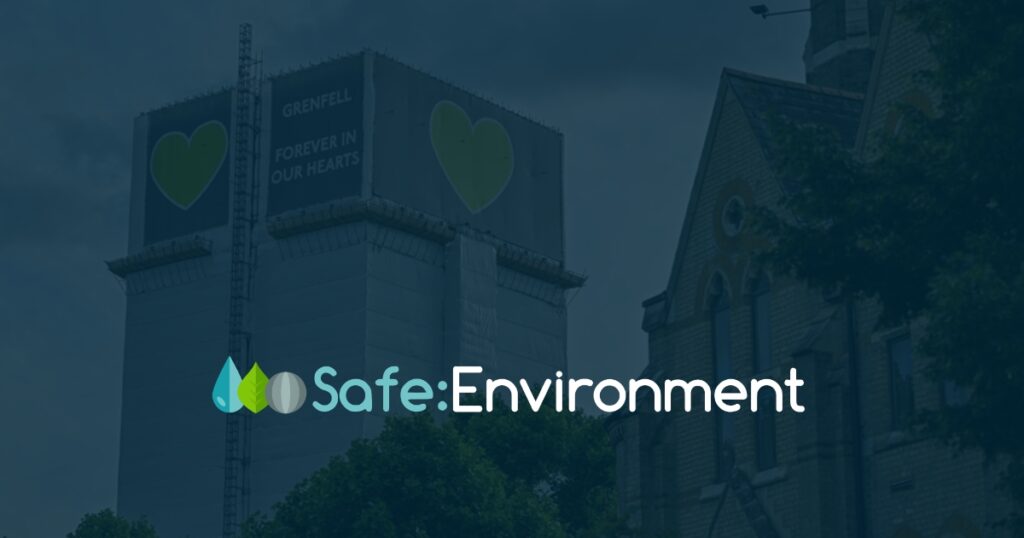
The UK government has confirmed that Grenfell Tower, the site of the devastating 2017 fire that claimed 72 lives, will be demolished. The decision follows years of debate, with officials citing safety concerns over the tower’s structural integrity. Engineers have warned that the building is deteriorating and could pose a further hazard if left standing. Demolition is expected to begin after the eighth anniversary of the disaster in June 2025 and will take approximately two years to complete.
While the government insists the demolition will be carried out with respect and care, the move has sparked mixed reactions. Survivors and bereaved families have long fought for justice, and many feel that bringing down the building before all accountability measures are in place could undermine ongoing investigations. Others believe that removing the structure will help the community heal and move forward.
Asbestos Risks and Environmental Concerns
Grenfell Tower was built in the 1970s, a period when asbestos was commonly used in construction for insulation and fireproofing. Asbestos, when disturbed, releases microscopic fibres that can cause serious health problems, including asbestosis, lung cancer, and mesothelioma.
Following the fire in 2017, concerns were raised about asbestos contamination in the local environment. The intense heat likely destroyed a significant amount of the material, but there was also a risk that asbestos fibres were released into the air during the blaze. Public Health England (PHE) conducted air quality monitoring and found that while asbestos fibres were present, they constituted only a small fraction of the overall particles in the smoke. PHE concluded that the immediate risk to public health was low, though long-term exposure studies remain ongoing.
With the upcoming demolition, there are renewed concerns about how asbestos and other hazardous materials within the tower will be managed. The government has assured that strict environmental controls will be in place to prevent airborne contamination. This will likely involve:
- Careful containment measures to prevent asbestos fibres from becoming airborne.
- Protective equipment for workers to ensure their safety during the demolition.
- Air quality monitoring around the site to detect any potential asbestos release.
- Waste disposal regulations ensuring that asbestos-containing materials are handled and removed safely.
Despite these assurances, local residents and environmental advocates are calling for greater transparency about the risks and more community involvement in decision-making. Given the history of failures that led to the Grenfell fire, trust in official processes remains fragile.
A Lasting Legacy and the Future Memorial
Beyond safety concerns, many feel that the fate of Grenfell Tower carries deep symbolic significance. Survivors and families of the victims have long advocated for the site to serve as a permanent memorial. The government has promised that materials from the tower will be incorporated into a future memorial, though the exact details remain unclear.
As demolition plans move forward, it is essential that authorities handle this process with the utmost care—not just in terms of structural safety and environmental impact, but also in honoring the memories of those who lost their lives. The tragedy of Grenfell was not just a failure of building safety but also of governance, accountability, and social justice. The handling of its demolition will be another test of whether lessons have truly been learned.
For now, the Grenfell community and the wider public will be watching closely, ensuring that those in power deliver on their promises of safety, transparency, and respect.