




Asbestos removal is a crucial process for ensuring the safety of your property, whether it’s a home, office, or commercial building. Asbestos, a harmful material once used extensively in construction, can pose serious health risks if disturbed. If you’ve discovered asbestos in your property and scheduled its removal, preparing properly can help ensure the process goes smoothly and safely.
In this blog post, we’ll guide you through the steps to prepare your property for asbestos removal, helping to minimise disruption and safeguard everyone involved.
1. Hire a Licensed Asbestos Removal Professional
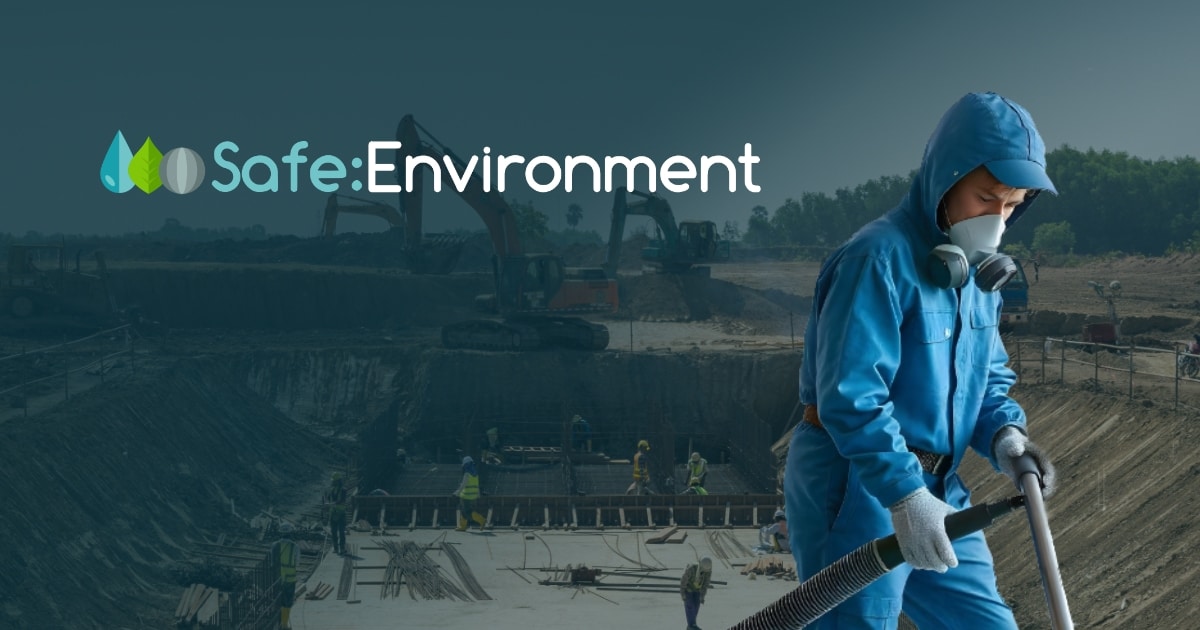
The first and most critical step in preparing for asbestos removal is ensuring you hire a licensed professional for the job. In the UK, asbestos removal must be carried out by a contractor with the appropriate licenses and qualifications, in line with the Control of Asbestos Regulations 2012. Licensed contractors have the expertise and equipment to safely remove and dispose of asbestos without endangering people or the environment.
Untrained attempts to remove asbestos can lead to the release of dangerous fibres, increasing the health risks. Always verify that your contractor is licensed and insured to handle asbestos removal, and ask for references if necessary.
2. Schedule an Asbestos Survey
Before any removal can begin, it’s essential to know exactly where asbestos is located in your property. The first step in this process is scheduling an asbestos survey. This survey, conducted by a qualified professional, will identify all asbestos-containing materials (ACMs) in your property, assess their condition, and determine if removal is necessary.
There are two main types of asbestos surveys:
Management Survey: Designed to locate ACMs that could be damaged or disturbed during normal occupancy, maintenance, or installation work.
Refurbishment/Demolition Survey: This is required if your property is undergoing significant renovations or demolition. It identifies ACMs that will be disturbed during construction work.
Once the survey is completed, you’ll have a clear understanding of where asbestos is present and can plan for its safe removal.
3. Notify Occupants and Prepare for Temporary Relocation
Asbestos removal often requires the property to be vacated during the process, especially in areas where asbestos is widespread or in poor condition. This means you’ll need to notify anyone living or working in the building well in advance and arrange for temporary relocation if necessary.
For residential properties, this might involve staying with friends or family, or booking a hotel for the duration of the removal process.
For commercial properties, employees should be informed, and alternative working arrangements should be made, such as remote working or temporary office space.
It’s crucial to give occupants enough notice to make suitable plans and ensure the removal process doesn’t interfere with their daily routines. Your asbestos removal contractor should give you a clear timeline for how long the process will take so that you can prepare accordingly.
4. Seal Off the Affected Area
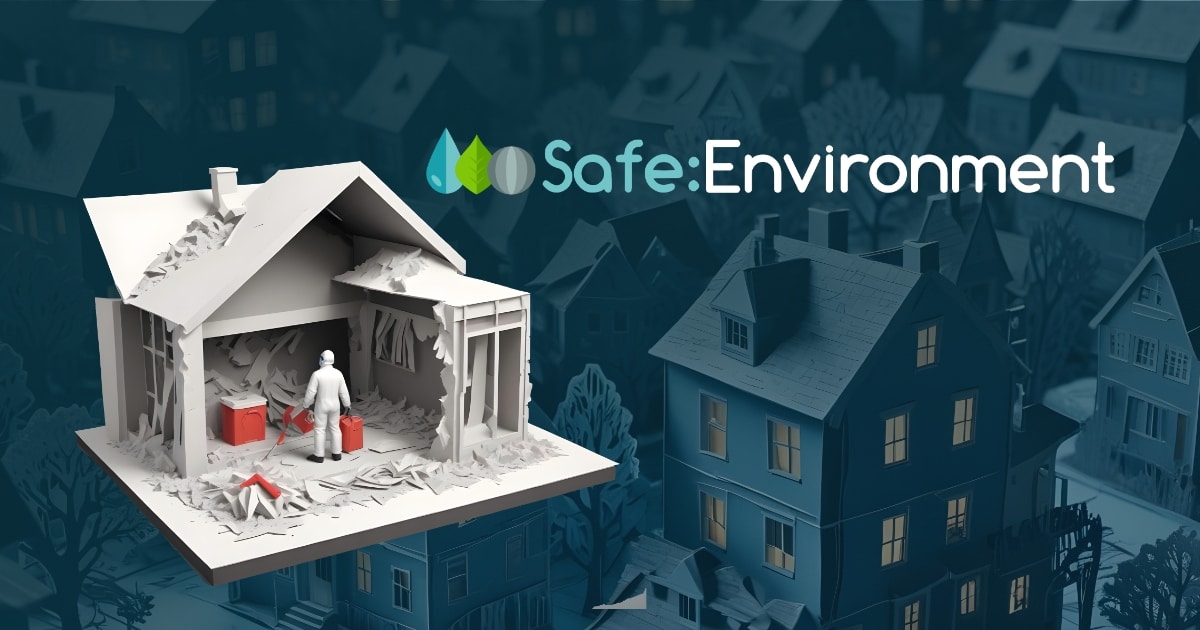
Once asbestos removal begins, the contaminated area needs to be completely sealed off to prevent fibres from escaping and contaminating other parts of the property. Your asbestos removal team will handle this, but you can help by preparing the area ahead of time. This involves:
Removing personal belongings: Take out all furniture, electronics, clothing, and other items from the area where asbestos will be removed. If you can’t remove larger furniture, make sure it is covered and protected.
Clearing pathways: Ensure easy access to the work area by removing any obstacles or clutter. This will help the removal team set up and work efficiently.
Securing air vents and windows: Although the removal team will seal the area, it’s a good idea to close windows, doors, and air vents beforehand to prevent any airflow that could carry asbestos fibers.
Your contractor will use protective sheeting and other measures to create a controlled environment, but organising the space ahead of time can speed up the setup process.
5. Turn Off HVAC Systems and Seal Ducts
If your property uses a central heating or air conditioning system, it’s essential to turn off the HVAC system and seal off any air ducts in the affected area. Asbestos fibres can easily be carried through air currents, so preventing air circulation during the removal process helps contain any airborne fibres.
Your asbestos removal contractor will likely handle this as part of the preparation, but confirming this detail ahead of time can ensure that no contamination spreads through the ventilation system.
6. Plan for Waste Disposal
Asbestos waste must be disposed of carefully, in line with UK regulations. It cannot be thrown out with regular rubbish, as asbestos is classified as hazardous waste. Your asbestos removal contractor will be responsible for collecting, sealing, and disposing of all asbestos waste, but it’s important to confirm that they follow proper disposal protocols.
Licensed asbestos contractors will use secure containers and transport asbestos waste to authorised disposal facilities. As a property owner, it’s your responsibility to ensure that the contractor follows the legal requirements for waste disposal, which will be outlined in your asbestos management plan.
7. Communicate with Your Neighbours
If your property is located in a residential area or is attached to other buildings (such as flats, semi-detached homes, or terraced houses), it’s courteous and responsible to notify your neighbours about the asbestos removal. Although the removal process will be safely contained, neighbours may be concerned about the health risks or potential disruption.
Inform your neighbours about the removal dates, the safety measures in place, and whether the process will involve any noise or temporary road access issues. This will help maintain good relations and prevent any unnecessary concerns during the removal process.
8. Review the Post-Removal Clearance Process
Once asbestos has been removed, the area must be thoroughly cleaned and decontaminated to ensure it’s safe for re-entry. The asbestos removal team will conduct a final inspection, but in many cases, you’ll also need to arrange for a clearance inspection by an independent asbestos consultant. This clearance inspection ensures that no asbestos fibres remain and that the property meets all safety standards.
You should receive a clearance certificate once the property has been inspected and deemed safe. Keep this documentation on file, as it may be required for future property sales or legal purposes.
Conclusion
Preparing your property for asbestos removal is essential to ensure a safe, efficient, and effective process. By hiring licensed professionals, notifying occupants, and taking steps to clear and seal the affected area, you can minimise risks and disruptions. Remember to communicate with your neighbours, manage waste disposal correctly, and ensure a final clearance inspection for complete peace of mind.
Asbestos removal can be a complex process, but with the right preparation, you can protect the health of your property’s occupants and preserve the value of your investment. If you suspect asbestos in your building, don’t wait—reach out to a licensed asbestos contractor today to start the process of safe and thorough removal.