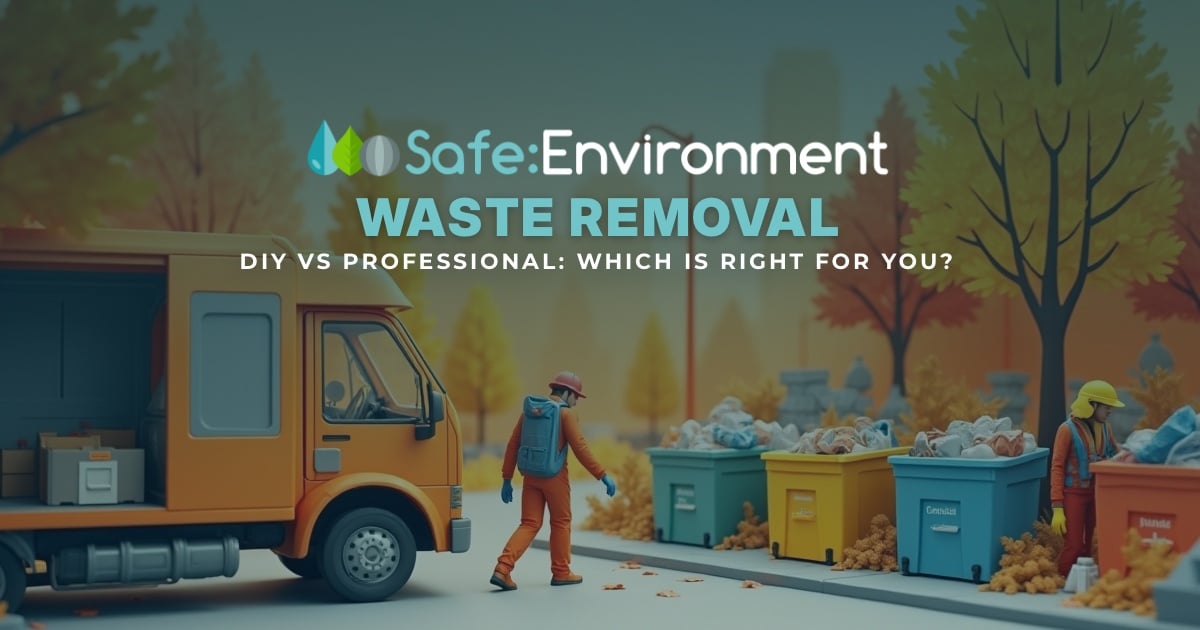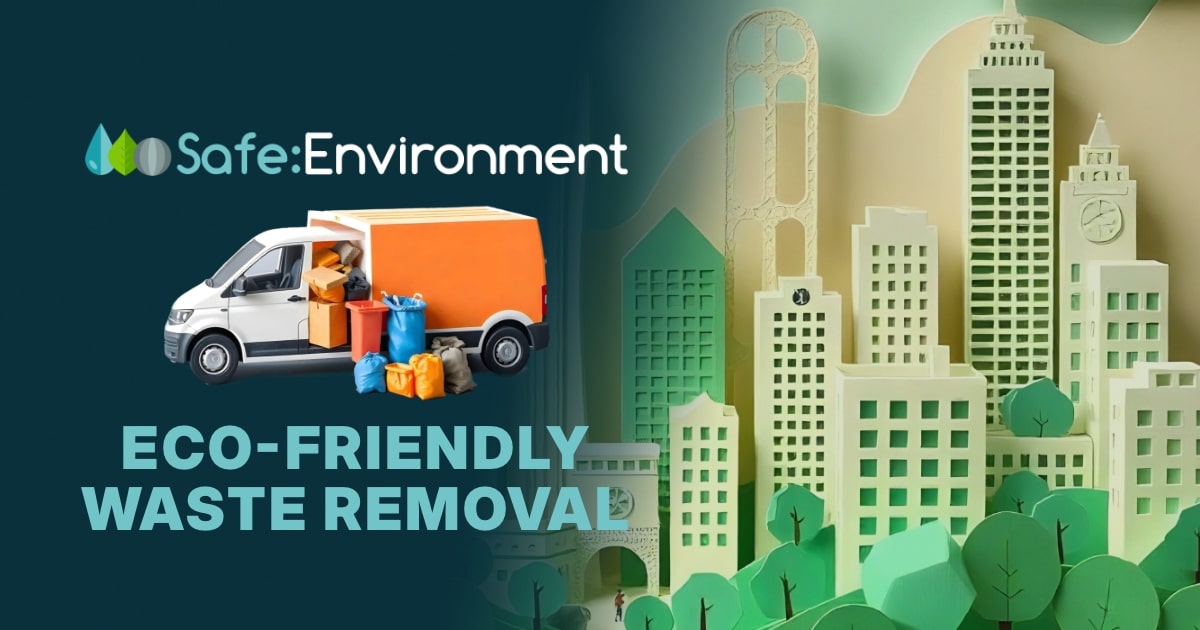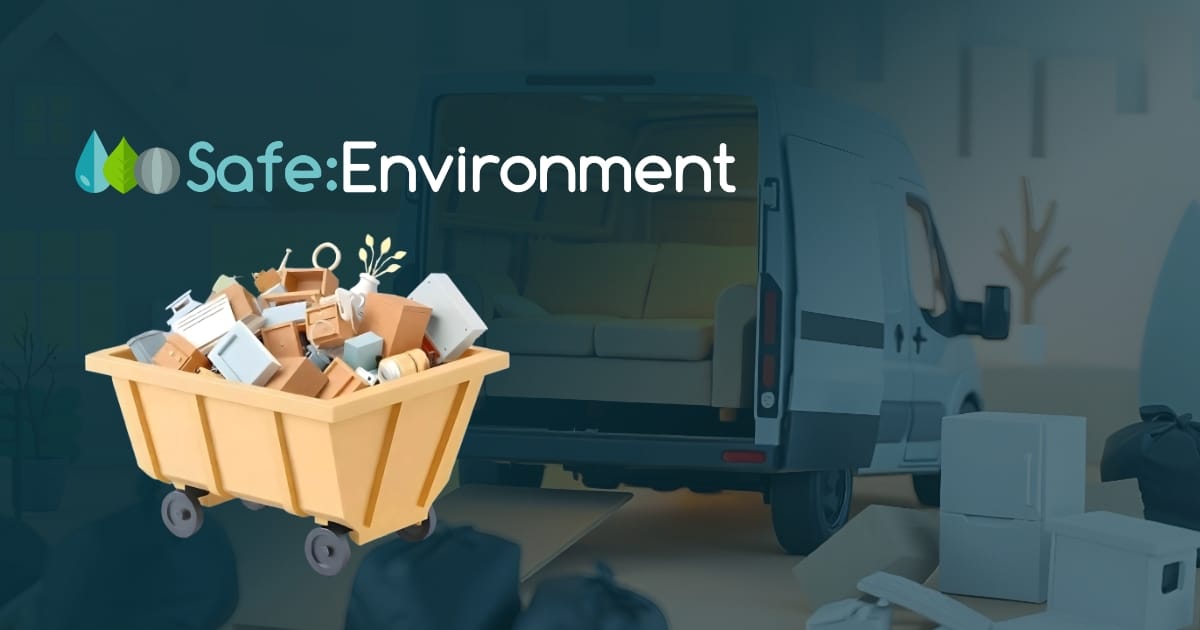




Waste disposal and management is a crucial part of maintaining a clean and sustainable environment. Proper disposal of waste helps prevent pollution, conserves resources, and promotes public health. This article explores different types of waste and how to dispose of them responsibly.
1. Organic Waste Disposal
Organic waste includes food scraps, garden waste, and biodegradable materials. Proper disposal methods include:
- Composting: A natural process that turns organic waste into nutrient-rich soil conditioner.
- Green waste collection: Many municipalities provide green bins for organic waste recycling.
2. Recyclable Waste Disposal
Recyclable waste consists of materials that can be reprocessed and reused, such as paper, cardboard, plastics, glass, and metals. Proper disposal includes:
- Sorting recyclables: Separate waste into designated bins according to local recycling guidelines.
- Cleaning containers: Rinse bottles and cans to prevent contamination.
- Dropping off at recycling centres: Some materials require special facilities for proper processing.
3. Hazardous Waste Disposal
Hazardous waste includes chemicals, batteries, paints, pesticides, and electronic waste. These items require careful handling to prevent environmental contamination. Proper disposal methods include:
- Household hazardous waste collection programs: Many local governments offer drop-off locations for hazardous materials.
- E-waste recycling programs: Electronics should be taken to certified e-waste recyclers.
- Avoiding landfill disposal: Hazardous materials should never be mixed with general waste.
4. Medical Waste Disposal
Medical waste includes used syringes, expired medications, and contaminated materials. Safe disposal practices include:
- Sharps disposal containers: Use designated containers for needles and sharp objects.
- Medicine take-back programs: Many pharmacies and health facilities accept expired medications for proper disposal.
- Proper wrapping and labelling: Ensure medical waste is secured before disposal.
5. General Waste Disposal
General waste consists of non-recyclable and non-hazardous materials such as soiled paper, food wrappers, and broken ceramics. Proper disposal includes:
- Using municipal waste bins: Ensure that general waste is placed in designated trash bins.
- Reducing waste production: Opt for reusable products to minimise landfill waste.
6. Construction and Demolition Waste Disposal
This type of waste includes concrete, bricks, wood, and metals from construction projects. Proper disposal involves:
- Salvaging reusable materials: Bricks, wood, and metals can often be repurposed.
- Using designated construction waste facilities: Many regions have specialised facilities for recycling building materials.
- Proper landfill disposal: Non-recyclable construction debris should be taken to approved landfill sites.
Conclusion
Understanding and implementing proper waste disposal practices is essential for environmental protection and sustainability. By sorting waste correctly, utilising recycling programs, and handling hazardous materials responsibly, individuals and communities can contribute to a cleaner and healthier planet. Always check local waste management guidelines to ensure compliance with proper disposal methods.